Car Batteries
What Should I Do With It?
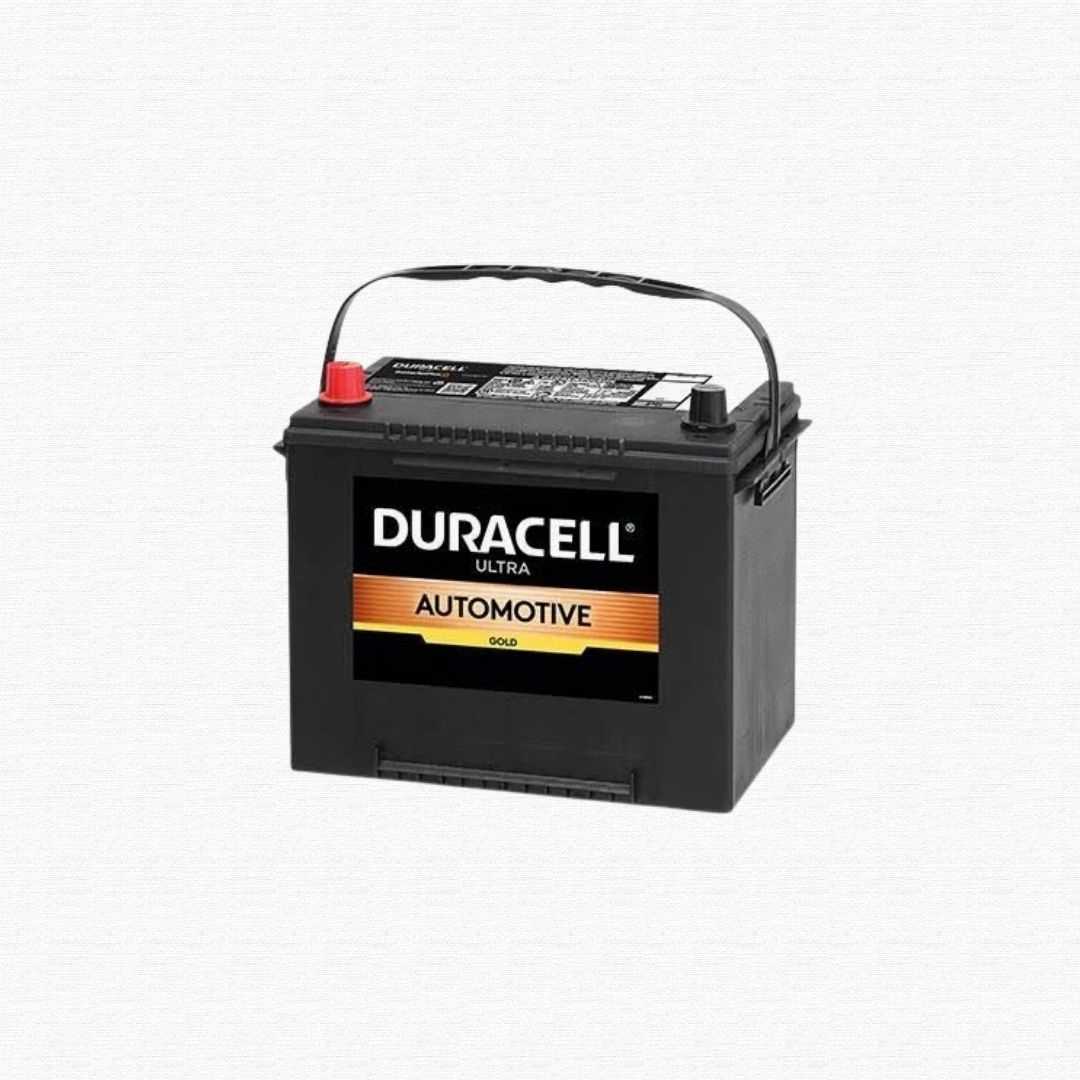
Vehicle batteries require strict, specialized disposal strategies due to their hazardous chemical makeup. Traditional automotive batteries are lead-acid based and are legally banned from landfills because they can easily leach toxic heavy metals into surrounding soil and groundwater. Electric vehicle (EV) batteries utilize complex lithium-ion chemistries that can cause explosive fires if crushed in standard waste equipment. Fortunately, standard lead-acid batteries are highly recyclable and are often accepted by auto retailers or scrap yards. For EV batteries, owners should coordinate directly with the manufacturer or a certified automotive recycling professional to ensure safe, eco-friendly processing.
Safety First
This item contains chemicals, heavy metals, or batteries that can be dangerous. Throwing it in your regular trash can cause fires, hurt sanitation workers, or leak harmful chemicals into the environment.
Before throwing this away, see if it can be fixed up, given to a friend, or donated to a local thrift shop. Keeping items in use is the best way to stop waste before it starts!
The recycling guidelines shown here are for general reference and educational purposes. Every city and town has different rules, sorting equipment, and recycling programs.
Please check your local town website or ask your local garbage collection program to make sure you are following your neighborhood's rules.